Protecting your car over the long term is not about doing one big repair or waiting until something breaks. It is about building small, consistent habits that keep the vehicle safe, reliable, comfortable, and valuable for as long as possible. A well-maintained car is easier to drive, less stressful to own, and often less expensive to keep on the road.
Many drivers only think about maintenance when a dashboard light appears, a strange noise starts, or the vehicle will not start. By that point, the problem may already be larger than it needed to be. Long-term protection means paying attention earlier. It means watching for changes in how the car drives, sounds, smells, stops, starts, and feels.
This guide covers practical ways to protect your vehicle through routine care, smart upgrades, early repairs, and better driving habits. Whether you drive daily, commute long distances, tow equipment, park outside, or plan to keep your car for many years, the right maintenance plan can help prevent costly problems and preserve value.
Build a Maintenance Routine Before Trouble Starts
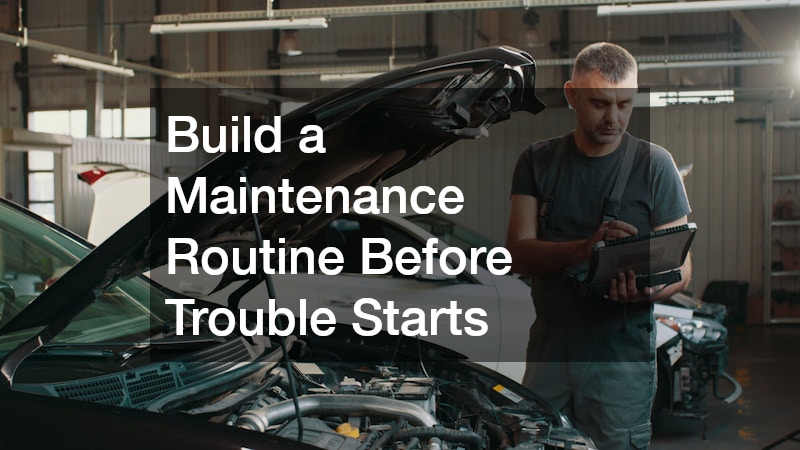
The best way to protect a vehicle is to stop treating maintenance as optional. Oil changes, tire rotations, inspections, and fluid checks may not feel urgent, but they help prevent expensive wear over time. A car that receives steady care is more likely to perform reliably than one that only gets attention during emergencies.
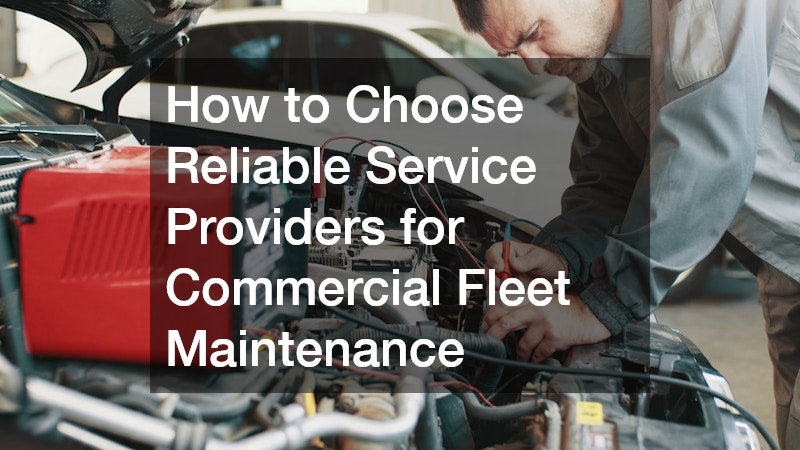
Regular auto repair service can help identify small issues before they become major repairs. A small oil leak, worn belt, weak battery, low fluid level, or minor brake concern can often be corrected early for less money than a major failure later.
It also helps to build a relationship with a local auto repair shop. When the same shop sees your vehicle over time, they can track service history, notice recurring patterns, and give more informed recommendations. They may know when a part was last replaced, whether a warning sign is new, or whether a repair can wait.
Preventive maintenance is almost always easier than emergency repair. Paying attention early can help you avoid breakdowns, towing costs, rushed decisions, and unexpected bills.
Stop Moisture Problems Quickly
Water can cause serious damage to a vehicle, especially when it reaches the interior, electronics, or hidden metal areas. Moisture problems can come from flooding, heavy rain, leaking sunroofs, clogged drains, worn door seals, cracked weatherstripping, or trunk leaks. Even a small leak can create mold, odors, rust, and electrical issues if ignored.
Car water damage restoration may be needed after flooding, soaked carpets, musty smells, interior staining, or electrical problems related to moisture. Water can travel under carpet, into padding, behind panels, and around wiring. Even if the surface looks dry, moisture may remain underneath.
Drivers should watch for:
- Wet carpet or floor mats
- Foggy windows
- Musty smells
- Water in the trunk
- Stains around the headliner
- Damp seats
- Mold or mildew
- Electrical glitches after rain
- Rust around lower panels or door areas
If water enters the vehicle, act quickly. Remove floor mats, dry visible moisture, open doors when safe, and avoid letting the car sit closed up while damp. If the water is extensive or contaminated, professional help may be necessary.
Prevention is also important. Check door seals, window seals, sunroof drains, cowl drains, and trunk seals. Avoid driving through deep standing water. During wet seasons, use floor mats that trap moisture and can be removed easily.
Moisture damage gets worse the longer it sits. Addressing leaks early protects the interior, wiring, air quality, and resale value.
Protect the Finish From Long-Term Wear
A car’s exterior is constantly exposed to sunlight, road salt, dirt, bird droppings, tree sap, brake dust, acid rain, and weather changes. Over time, these elements can dull paint, stain surfaces, and contribute to corrosion. Protecting the finish is not just about appearance. It also helps preserve long-term value.
Auto ceramic coating services may be worth considering for drivers who want added paint protection and easier cleaning. A ceramic coating can create a protective layer that helps repel dirt, water, and contaminants. It does not make a vehicle maintenance-free, but it can reduce how quickly grime bonds to the surface when properly installed and maintained.
Basic exterior care should include:
- Washing the car regularly
- Removing bird droppings and sap quickly
- Rinsing road salt during winter
- Cleaning wheels and lower panels
- Avoiding harsh brushes when possible
- Drying the vehicle after washing
- Touching up small paint chips
- Applying wax, sealant, or coating as appropriate
Drivers who park outside should be especially careful. Sun exposure can fade paint and trim. Tree sap and bird droppings can damage the clear coat if they sit too long. Road salt can speed up rust on lower panels and undercarriage areas.
Small chips should be handled before rust starts. Once rust spreads beneath paint, repairs become more difficult and expensive. Regular washing and surface protection help the car look better and hold value longer.
Keep Steering and Tires Working Properly
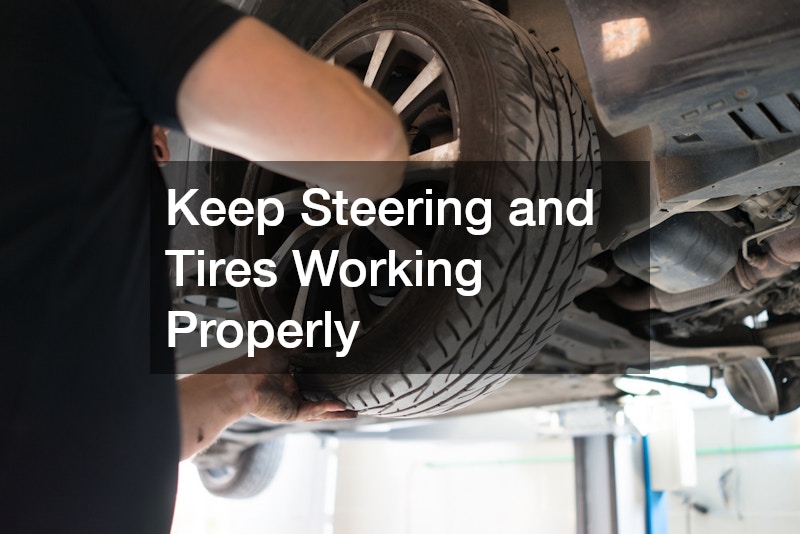
Tires, steering, and suspension affect safety every time you drive. They influence braking distance, handling, fuel economy, ride comfort, and tire life. If these systems are neglected, the car may become less stable and more expensive to maintain.
Wheel alignment services may be needed if the vehicle pulls to one side, the steering wheel sits off-center, tires wear unevenly, or the car vibrates at speed. Alignment should also be checked after hitting a major pothole, replacing suspension parts, or installing new tires.
Suspension warning signs should not be ignored. Clunking noises, bouncing, loose steering, uneven ride height, vibration, or excessive tire wear may point to worn shocks, struts, bushings, ball joints, or other components.
Take Stopping Power Seriously
Brakes are one of the most important safety systems in any vehicle. Drivers should not wait until brakes grind, fail, or trigger a warning light before getting them checked. Brake problems usually give early signs, and responding quickly can prevent more expensive damage.
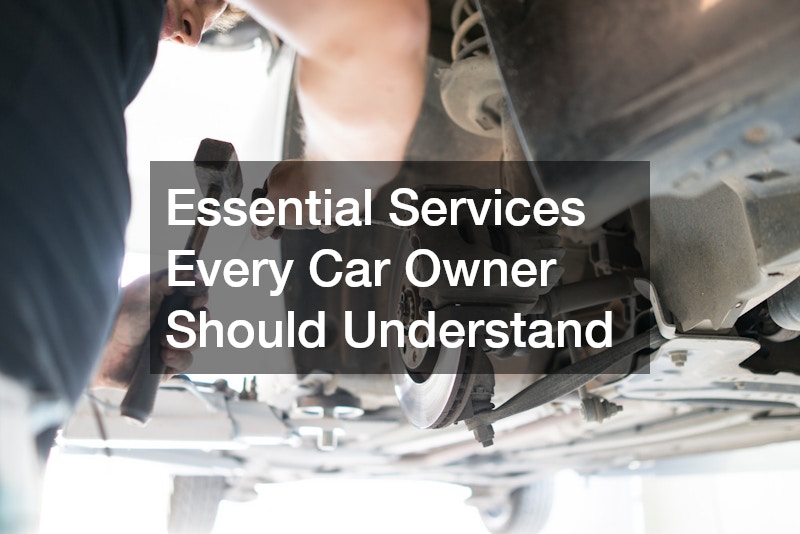
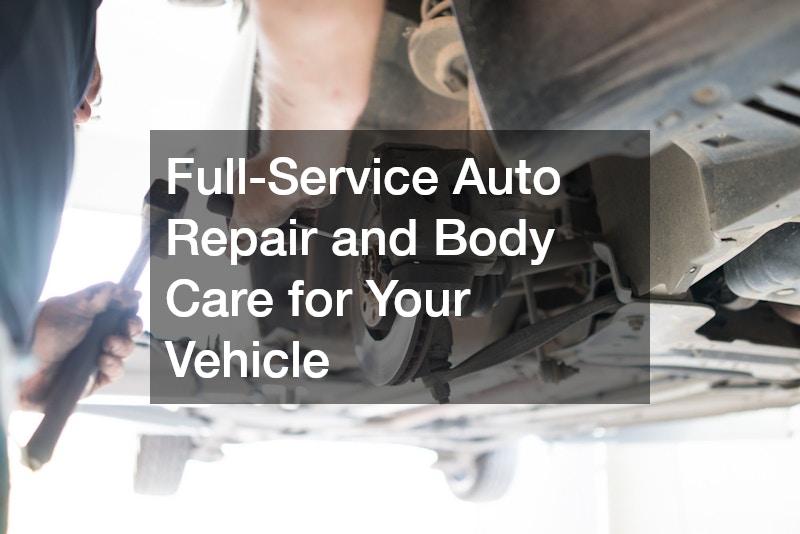
A brake shop can inspect pads, rotors, calipers, brake lines, and fluid condition. Worn pads are common, but waiting too long can damage rotors and increase the repair cost. Brake fluid also matters because old or contaminated fluid can affect braking performance.
Common brake warning signs include:
- Squealing
- Grinding
- Vibration while braking
- Longer stopping distance
- Soft brake pedal
- Pulling while braking
- Brake warning light
- Burning smell after driving
- Pulsing pedal
Driving habits affect brake life. Stop-and-go traffic, mountain driving, heavy loads, hard braking, and towing all create more wear. If you drive in demanding conditions, brake checks should happen more often.
When getting brakes inspected, ask for pad and rotor measurements. This gives a clearer picture of how much life remains. Replacing parts before they fail is safer and often less expensive than waiting for metal-on-metal wear.
Good brake maintenance protects your safety, your passengers, and your budget.
Keep the Interior Comfortable and Protected
The inside of a vehicle takes daily abuse from sunlight, heat, spills, dirt, pets, children, cargo, and normal wear. Over time, dashboards can crack, seats can fade, carpets can stain, and odors can settle in. Protecting the interior helps preserve comfort and resale appeal.
Auto glass tinting can help reduce glare, heat, and UV exposure when installed legally and professionally. Before choosing tint levels, drivers should check local laws because limits vary by state. Proper tint can make the cabin more comfortable, especially for vehicles parked outside or driven in sunny climates.
Other interior protection habits include:
- Using sunshades
- Cleaning spills quickly
- Vacuuming regularly
- Using floor mats
- Conditioning leather or vinyl
- Protecting cargo areas
- Avoiding harsh cleaners
- Keeping windows closed during rain
- Using seat covers when needed
Interior care matters more for families, pet owners, commuters, rideshare drivers, and anyone who plans to sell or trade the vehicle later. Stains, odors, torn upholstery, cracked trim, and dirty carpets can make a car feel older than it is.
Maintain the Electrical System
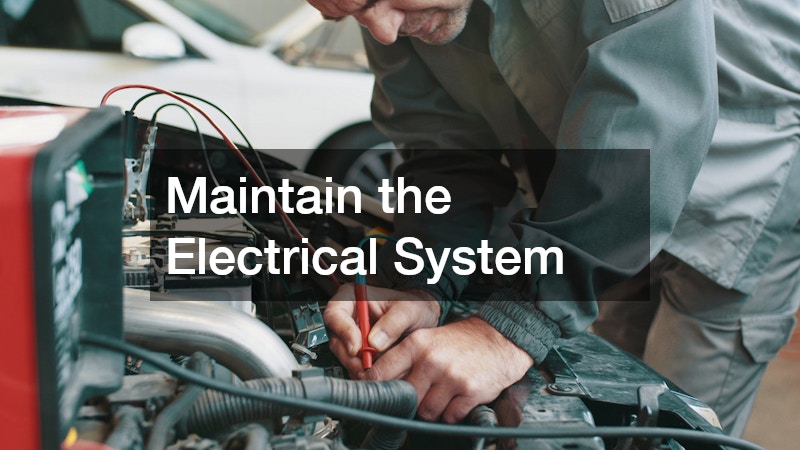
Modern vehicles depend heavily on electrical systems. The battery does more than start the engine. It supports sensors, lights, safety features, infotainment systems, power accessories, and charging functions. A weak electrical system can create frustrating and unpredictable problems.
A new car battery may be needed if the vehicle cranks slowly, needs frequent jump starts, shows dim lights, has terminal corrosion, or displays a battery warning light. Battery age also matters. Extreme heat and cold can shorten battery life, so testing before seasonal changes is smart.
Battery warning signs include:
- Slow starting
- Clicking when turning the key
- Dim headlights
- Corrosion on terminals
- Swollen battery case
- Frequent jump starts
- Electrical glitches
- Battery warning light
Basic care includes keeping terminals clean, making sure the battery is secured, turning off lights and accessories when parked, and driving the vehicle regularly when possible. If the battery dies repeatedly, the issue may not be the battery itself. The alternator, starter, wiring, or a parasitic drain may be involved.
Haul Without Overloading the Vehicle
Many drivers damage their vehicles by asking them to carry more than they should. Heavy loads affect suspension, brakes, tires, steering, transmission, and engine cooling. Whether moving furniture, hauling landscaping supplies, carrying tools, or transporting equipment, it is important to respect the vehicle’s limits.
Utility trailers can help move heavier or awkward items more safely when matched to the vehicle’s towing capacity. A properly selected trailer can reduce strain on the cargo area and make hauling easier. However, towing still adds stress, so drivers need to understand ratings and setup.
Loads should be balanced and secured tightly. Too much weight in the wrong place can cause sway, poor handling, longer stopping distances, or tire strain. Drivers should allow more room for braking and avoid sudden maneuvers.
If towing becomes frequent, maintenance becomes even more important. Brakes, transmission fluid, cooling systems, tires, and suspension should be checked regularly. Long-term protection includes knowing what the vehicle is designed to handle and staying within those limits.
Know When It Is Time to Move On
Protecting a vehicle also means knowing when repairs no longer make financial sense. Some cars reach a point where repeated repairs cost more than the vehicle is worth. Keeping a failing vehicle too long can become unsafe, stressful, and expensive.
Selling junk cars for cash may make sense when a vehicle has severe accident damage, flood damage, major engine failure, transmission failure, a rusted frame, repeated expensive repairs, or an unsafe condition. It may also be worth considering if the car cannot pass inspection without major work.
Before deciding, compare:
- Repair estimate
- Market value
- Mileage
- Age
- Safety
- Repair history
- Future expected repairs
- Insurance costs
- Replacement options
Emotional attachment can make drivers overspend. If the car is unreliable and the next repair will not meaningfully extend its useful life, moving on may be the smarter financial decision.
Practical steps include getting a written estimate, researching private-party and trade-in value, removing personal belongings, gathering the title and paperwork, and canceling insurance after the sale or disposal.
Ending ownership at the right time can protect your budget and safety.
Create a Long-Term Care Plan
The best way to protect a vehicle is to follow a plan instead of reacting to problems. A simple calendar based on mileage and seasons can keep maintenance manageable.
Mileage-based tasks may include:
- Oil changes
- Tire rotations
- Brake checks
- Fluid service
- Filter replacement
- Spark plugs when needed
- Belt and hose inspections
Seasonal tasks may include:
- Battery testing before extreme weather
- Tire pressure checks
- Wiper replacement
- Exterior washing and protection
- Interior cleaning
- Heating and cooling checks
- Emergency kit updates
Drivers should also keep basic emergency items in the car, such as a tire pressure gauge, jump pack or jumper cables, flashlight, phone charger, first aid kit, emergency blanket, tire inflator, and basic tools.
Budgeting matters too. Set aside money monthly for maintenance and expected wear items like tires, brakes, batteries, fluids, and filters. Do not spend the full vehicle budget on appearance upgrades while ignoring mechanical needs.
Long-term car protection requires regular maintenance, smart driving habits, exterior care, interior protection, safety checks, and timely repairs. A vehicle is a major investment, and the way it is cared for each month affects how well it performs years later.
Drivers who act early can avoid many expensive problems. Paying attention to warning signs, keeping service records, protecting the car from moisture and sun, caring for tires and brakes, and planning repairs before emergencies can all extend the life of the vehicle.
The best way to protect a car is to treat maintenance as an ongoing habit, not a one-time task. With steady care and smart decisions, drivers can keep their vehicles safer, cleaner, more reliable, and more valuable in the long run.