Owning a vehicle comes with more responsibility than filling the tank and getting from one place to another. Cars need regular attention, occasional repairs, and the right professional services to stay safe, comfortable, reliable, and visually well-maintained. Many drivers do not think about these services until they encounter a warning light, a dented bumper, uneven tire wear, or damage after an accident.
The more you understand about common vehicle services, the easier it becomes to make smart decisions. You do not need to be a mechanic or repair expert, but it helps to know what each service does, when it may be needed, and what questions to ask before approving work.
Know When Exterior Damage Needs Professional Attention
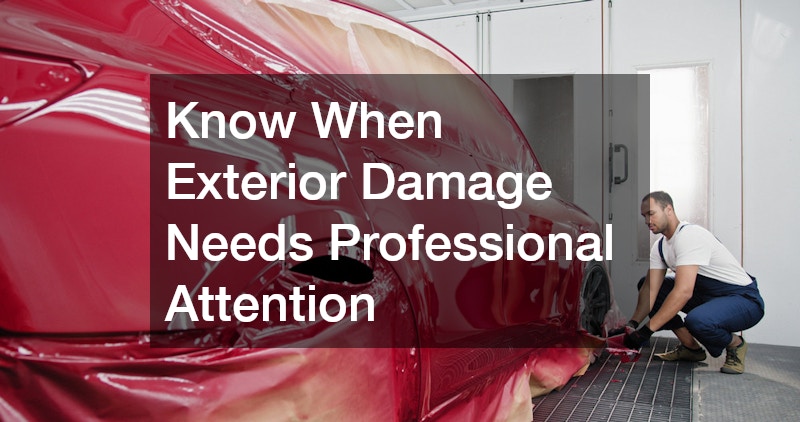
It is easy to ignore a small dent, scratch, or paint chip, especially if the vehicle still drives normally. However, exterior damage is not always just cosmetic. Damage to a vehicle’s body can affect panels, seals, lights, sensors, and even the structure beneath the surface. What looks minor at first may become more expensive if rust forms or hidden damage goes untreated.
Auto body repair can include a wide range of services, such as dent removal, bumper repair, paint matching, panel replacement, frame checks, and refinishing. These services help restore the vehicle’s appearance while also protecting it from further wear. Even small areas of exposed metal can eventually lead to corrosion, especially in places with rain, snow, road salt, or high humidity.
A local auto body shop can inspect the damage and explain whether it is mostly cosmetic or may indicate deeper concerns. This is especially important if the damage occurred after a parking lot bump, a curb impact, a falling branch, or a minor accident.
Drivers should schedule an inspection if they notice:
- Paint chips that expose metal
- Dents near doors, lights, or bumpers
- Cracks in the bumper cover
- Misaligned panels
- Doors, hood, or trunk that do not close smoothly
- Rust spots or bubbling paint
- Scratches that are deep enough to catch a fingernail
Before approving work, ask for a written estimate and a clear explanation of what will be repaired. You may also want to ask whether the paint will match the existing color, whether parts need to be replaced, and whether the work includes a warranty. Addressing visible damage early can help preserve your vehicle’s appearance, value, and long-term condition.
Take the Right Steps After an Accident
Even a low-speed accident can create problems that are not immediately obvious. After a crash, many drivers focus on whether the car still starts and drives. While that is understandable, a vehicle can still appear drivable even with damage to its frame, suspension, sensors, lights, alignment, or safety systems.
Car collision repair is designed to restore the vehicle after accident-related damage. The process may include damage assessment, disassembly, structural measurement, parts replacement, refinishing, reassembly, and final safety checks. Depending on the severity of the accident, repairs may involve both cosmetic and mechanical work.
Local collision repair can be especially helpful because you may need ongoing communication throughout the process. A nearby repair provider can explain the estimate, help identify hidden damage, coordinate with insurance if needed, and make it easier to return for follow-up questions or adjustments.
After an accident, take these steps:
- Move to a safe location if possible.
- Check yourself and passengers for injuries.
- Call emergency services if needed.
- Exchange information with the other driver.
- Take photos of the vehicles, damage, road conditions, and license plates.
- Document the time, location, and details of the accident.
- Contact your insurance company if applicable.
- Schedule a professional inspection before assuming the car is safe.
You should also pay attention to how the car feels after the accident. If it pulls to one side, makes new noises, vibrates, smells unusual, or has warning lights on, it should not be ignored. Proper repairs help protect not only the vehicle’s appearance but also its safety and performance.
Compare Providers Before Approving Work
Choosing where to take your vehicle can feel overwhelming, especially when you are stressed after an accident or dealing with unexpected damage. Not every repair facility offers the same services, equipment, experience, or warranties, so it is worth comparing your options before making a decision.
Local car collision shops often specialize in accident-related repairs, including body damage, structural concerns, paint refinishing, and insurance-related repair processes. General auto shops, on the other hand, may focus more on mechanical services like brakes, oil changes, diagnostics, and engine repairs. Some facilities offer both types of care, but it is important to confirm what they are equipped to handle.
When comparing repair providers, ask practical questions such as:
- Do you provide written estimates?
- What is included in the estimate?
- Could the price change after teardown or inspection?
- Do you use OEM, aftermarket, used, or rebuilt parts?
- Is the work covered by a warranty?
- How long do repairs usually take?
- Do you provide updates during the repair process?
- Do you work with insurance companies?
- Can you explain the repair in plain language?
You should also pay attention to communication. A trustworthy provider should be willing to answer questions without making you feel rushed or confused. If the estimate is vague, the pricing is unclear, or you feel pressured to approve work immediately, these may be red flags.
Online reviews, before-and-after photos, certifications, and word-of-mouth recommendations can also help you compare options. The goal is not always to choose the cheapest estimate. The better choice is usually the provider that offers clear communication, quality work, fair pricing, and confidence that the repair will be done correctly.
Keep the Vehicle Driving Straight and Safely

A vehicle that does not drive straight can be more than annoying. It can affect safety, tire life, steering control, and fuel efficiency. When wheels are misaligned, the tires may wear unevenly, and the vehicle may become harder to handle.
Alignments help correct the wheel angles so they meet the road properly. This service is often needed after hitting a pothole, striking a curb, replacing suspension parts, installing new tires, or being involved in an accident. Even normal driving on rough roads can gradually affect alignment.
To help prevent alignment issues, check tire pressure regularly, rotate tires on schedule, avoid potholes when possible, and have your suspension inspected if you notice changes in handling. If your vehicle has recently been repaired after a collision, it is also a good idea to ask whether the alignment was checked as part of the repair.
Stay Ahead of Mechanical Problems
Mechanical issues are part of vehicle ownership, but many major problems begin as small warning signs. A squeak, smell, leak, vibration, or dashboard warning light may be easy to brush off at first. However, delaying car repairs can sometimes turn a minor issue into a much larger and more expensive problem.
Common services drivers should understand include brake repair, battery replacement, engine diagnostics, fluid leak repair, belt and hose replacement, suspension service, cooling system repair, and filter replacement. Each of these plays a role in keeping the vehicle safe and reliable.
For example, squealing brakes may mean the brake pads are wearing down. If ignored, the problem can damage rotors and increase repair costs. A small coolant leak may not seem urgent, but it can eventually cause overheating. A weak battery may leave you stranded at the worst possible time.
Improve Comfort and Protect the Interior
Some vehicle services are not only about repairs. They can also improve comfort, appearance, and protection. One example is auto window tint, which can help reduce glare, improve privacy, and keep the cabin cooler in sunny conditions.
Tint can also help protect interior materials from sun exposure. Over time, sunlight can fade upholstery, dry out leather, crack dashboards, and make the cabin uncomfortable during warmer months. Quality film may help reduce UV exposure and heat buildup, making the vehicle more pleasant to drive.
It is important to choose legal tint levels for your state. Tint that is too dark can create visibility problems and may lead to fines or inspection issues. A professional installer can usually explain the options and help you choose a film that balances comfort, appearance, and compliance.
After installation, follow the care instructions carefully. You may need to wait before rolling the windows down so the film can cure properly. Use gentle, tint-safe cleaning products, and avoid abrasive tools that could scratch the film.
Preserve Older or Sentimental Vehicles Correctly

Older vehicles often require more care than daily drivers. Whether you own a classic car, a project vehicle, or a car with sentimental value, properly preserving it requires planning. The goal may not always be to make it look brand new. Sometimes the goal is to protect originality, improve drivability, or restore specific areas over time.
Auto restoration can involve bodywork, rust repair, paint refinishing, trim replacement, interior work, mechanical updates, glass replacement, and detailing. Some projects are full restorations, while others are partial repairs or cosmetic refreshes.
Before starting a restoration project, decide what matters most:
- Do you want the vehicle to be show-ready?
- Are you focused on making it safe and drivable?
- Do you care about keeping original parts?
- Is the vehicle sentimental or collectible?
- What budget range is realistic?
- Are you willing to complete the project in phases?
Restoration work can become expensive if the scope is not clearly defined. Rust, hidden damage, unavailable parts, and previous poor repairs can all affect the timeline and cost. That is why documentation is helpful. Take photos before work begins, ask for written estimates, and keep records of parts and repairs.
Safety should usually come first. Brakes, tires, steering, suspension, lights, and structural rust should be addressed before purely cosmetic upgrades. Once the vehicle is safe and stable, you can proceed to appearance improvements, such as paint, upholstery, trim, and detailing.
Understand How Appearance Affects Value
The way a vehicle looks can influence how people judge its overall condition. A car with dents, faded paint, cloudy headlights, rust, stained seats, or scratched wheels may seem poorly maintained, even if it runs well. This can affect resale value, trade-in offers, and buyer confidence.
Appearance-related services may be worth considering if you plan to sell, trade in, or simply keep the vehicle looking better for longer. Small improvements can sometimes make a noticeable difference.
Build a Smarter Maintenance Routine
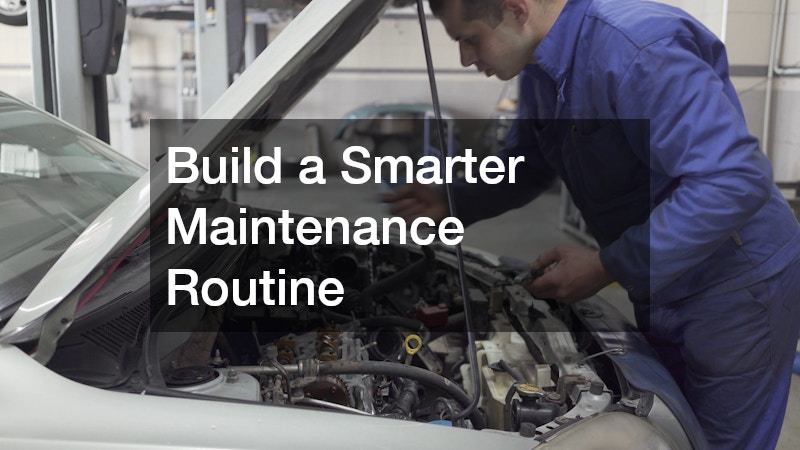
Many drivers wait until something goes wrong before scheduling service. A better approach is to create a simple maintenance routine. This does not have to be complicated. It just means checking important items regularly and following service recommendations before problems get worse.
You can divide maintenance into categories:
Monthly checks:
- Tire pressure
- Exterior lights
- Windshield washer fluid
- Wiper condition
- Visible leaks
- Unusual noises or smells
Seasonal checks:
- Battery condition
- Heating and cooling performance
- Tire tread
- Brake feel
- Coolant level
- Emergency supplies
Mileage-based service:
- Oil changes
- Tire rotations
- Brake inspections
- Filter replacements
- Fluid services
- Spark plugs when recommended
Pre-road-trip checks:
- Tire pressure and tread
- Oil and fluids
- Lights
- Wipers
- Brakes
- Spare tire or repair kit
- Battery condition
Driving habits can affect how often your vehicle needs service. Stop-and-go traffic, extreme temperatures, rough roads, towing, short trips, and heavy loads can all increase wear. If your driving conditions are demanding, you may need service sooner than the standard schedule suggests.
Ask Better Questions Before Saying Yes
Many car owners feel uncomfortable approving vehicle work because they are not sure what is truly necessary. Asking the right questions can help you understand the repair, compare estimates, and avoid confusion.
A trustworthy professional should be able to explain the issue in plain language. They should not make you feel embarrassed for asking questions. If something sounds unclear, ask for clarification before moving forward.
It is also smart to keep copies of written estimates, invoices, warranties, and inspection reports. These records help you track your vehicle’s history and may be useful if you sell the car later.
Car owners do not need to understand every technical detail of vehicle service, but knowing the basics can make a big difference. When you understand what different services do and why they matter, you can make better decisions, ask stronger questions, and avoid unnecessary delays.
The key is to be proactive. Visible damage, warning lights, strange sounds, uneven tire wear, and changes in handling should not be ignored. Routine care, timely repairs, and professional inspections can help keep your vehicle safer, more comfortable, and more reliable.
By learning what to watch for and choosing qualified help when needed, you can protect your investment, reduce stress, and feel more confident every time you get behind the wheel.