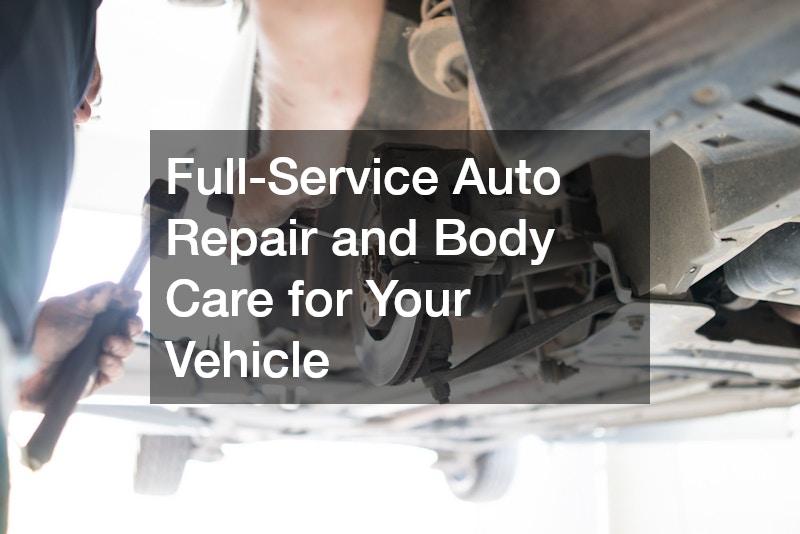
Owning a vehicle is a significant investment, and protecting that investment requires more than reacting to problems as they appear. A comprehensive approach to vehicle care focuses on prevention, timely repairs, and professional service coordination. When mechanical systems and exterior components are maintained together, drivers benefit from improved safety, consistent performance, and reduced long-term costs.
Modern vehicles are complex machines made up of interconnected systems. Neglecting even small issues can lead to expensive repairs and unexpected downtime. By understanding how routine maintenance, mechanical service, and body care work together, car owners can make informed decisions that support reliability, comfort, and long-term value. A full-service strategy helps ensure that your vehicle remains dependable, efficient, and safe throughout its lifespan.
In addition to protecting performance, proactive vehicle care also reduces stress and uncertainty for drivers. Planned maintenance allows owners to anticipate costs, schedule service conveniently, and avoid emergency situations that disrupt daily routines. This approach is especially valuable for drivers who rely on their vehicles for commuting, family responsibilities, or business use.
Comprehensive care also supports better communication with service providers. When maintenance records, repair histories, and inspections are well-documented, technicians can diagnose issues more accurately and recommend solutions that align with the vehicle’s condition and usage. Over time, this coordinated strategy helps prevent recurring problems and ensures repairs are handled efficiently.
By prioritizing prevention and professional oversight, vehicle owners can extend the life of their car, maintain resale value, and enjoy greater confidence on the road. A well-maintained vehicle is not only more reliable but also safer, more economical to operate, and better equipped to handle everyday driving demands.

Build a Preventive Maintenance Plan That Reduces Breakdowns
Preventive maintenance is the foundation of vehicle reliability. Instead of waiting for a failure, proactive care focuses on keeping critical components in optimal condition through routine inspections and scheduled service. Consistent auto repair practices significantly reduce the risk of unexpected breakdowns and costly emergency fixes.
Professional auto repair services are designed to identify early signs of wear, fluid degradation, and mechanical stress before they become major problems. Technicians can spot small leaks, worn belts, uneven tire wear, or declining battery performance long before these issues affect drivability. This early intervention not only improves safety but also extends the life of essential systems and components.
Why preventive maintenance matters
-
Reduces the likelihood of sudden mechanical failure
-
Improves fuel efficiency and overall performance
-
Helps maintain manufacturer warranty requirements
-
Minimizes long-term repair costs
-
Enhances driving confidence and safety
Actionable steps for preventive care
-
Follow a mileage-based service schedule recommended by the manufacturer
-
Schedule regular inspections for brakes, tires, fluids, hoses, and belts
-
Replace worn components before they fail unexpectedly
-
Address warning lights, vibrations, or unusual noises promptly
Common maintenance tasks to prioritize
-
Oil and filter changes to protect engine components
-
Brake inspections and fluid checks to ensure safe stopping power
-
Tire rotations and alignment checks to promote even wear
-
Battery testing and replacement when performance declines
-
Cooling system inspections to prevent overheating
Preventive care also supports better budgeting. Planned maintenance costs are generally predictable and manageable compared to the financial strain of major repairs or roadside emergencies. Additionally, maintaining a detailed service history demonstrates responsible ownership, which can improve resale value and buyer confidence.
Preventive care not only protects your vehicle mechanically but also provides peace of mind. When drivers invest in routine maintenance, they avoid many of the stressful and expensive situations that arise from neglected systems. Over time, this proactive approach leads to a safer, more reliable driving experience and a vehicle that performs consistently year after year.
Choose the Right Facility for Consistent Mechanical Care

Selecting the right service provider plays a critical role in the long-term health of your vehicle. A reputable auto repair shop offers consistency, transparency, and technical expertise, all of which are essential for accurate diagnostics and dependable service.
Working with a trusted local auto repair provider also improves convenience and communication. Proximity makes it easier to schedule routine maintenance, handle follow-up visits, and respond quickly to unexpected issues.
What to look for in a repair facility
-
Certified and experienced technicians
-
Clear explanations of recommended services
-
Transparent pricing and written estimates
-
Strong customer reviews and referrals
Questions to ask before approving work
-
What inspections are included with routine service?
-
Are replacement parts new, rebuilt, or aftermarket?
-
What warranties are offered on labor and parts?
-
How long will the repair take?
Benefits of choosing a local provider
-
Faster turnaround times
-
Personalized service history tracking
-
Easier communication and accountability
-
Familiarity with regional driving conditions
A reliable auto repair shop facility becomes a long-term partner in vehicle ownership. Consistent service from a trusted shop helps ensure that maintenance is proactive rather than reactive.
Address Mechanical Issues Early to Avoid Major Failures
Minor mechanical issues often provide warning signs before turning into major failures. Timely auto repairs allow drivers to address problems early, reducing both safety risks and repair costs. Delaying service can cause damage to additional components, multiplying expenses and downtime.
Professional auto repair services use diagnostic tools and inspections to identify problems that may not be immediately noticeable during everyday driving.
Warning signs that should not be ignored
-
Unusual noises such as grinding, knocking, or squealing
-
Vibrations during acceleration or braking
-
Reduced fuel efficiency
-
Delayed response when shifting gears
How early repairs save money
-
Prevents damage from spreading to connected systems
-
Reduces labor costs by addressing simpler fixes
-
Avoids roadside breakdowns and towing expenses
Best practices for early intervention
-
Schedule diagnostics at the first sign of trouble
-
Keep records of recurring issues
-
Follow technician recommendations for follow-up service
Addressing mechanical issues promptly preserves reliability and ensures that your vehicle remains safe and efficient for daily use.
Restore Safety and Appearance After Damage
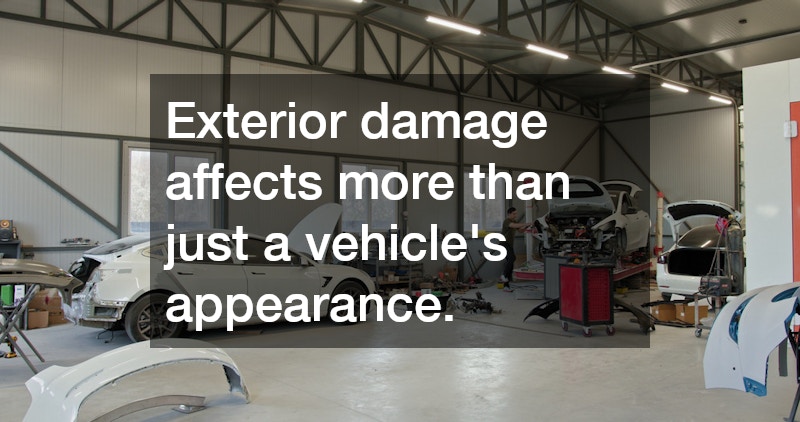
Exterior damage affects more than just a vehicle’s appearance. Proper auto body repair restores structural integrity, alignment, and safety features that may be compromised after an impact. Even minor dents can hide underlying issues that worsen over time.
Comprehensive auto body services focus on both cosmetic restoration and structural accuracy, ensuring that repaired vehicles meet safety standards and perform as intended.
Why professional body repair matters
-
Maintains proper panel alignment and aerodynamics
-
Protects against rust and corrosion
-
Preserves the effectiveness of safety systems
-
Supports long-term resale value
Common issues addressed during body repair
-
Dents and scratches
-
Frame and panel misalignment
-
Paint damage and corrosion
-
Damage to bumpers and protective components
Tips for handling body damage
-
Schedule an inspection after any collision, even if the damage appears minor
-
Avoid temporary cosmetic fixes that hide deeper problems
-
Request documentation of all repairs performed
Restoring your vehicle properly ensures that it remains both safe and visually appealing, reinforcing confidence on the road.
Know What to Expect From Professional Body Repair Facilities
Reputable auto body shops follow structured processes that ensure quality, safety, and durability. From assessment to final inspection, professional facilities use specialized tools and trained technicians to complete accurate repairs.
Effective collision repair involves more than replacing damaged panels. It requires precise measurements, proper materials, and attention to safety standards.
Stages of professional body repair
-
Damage assessment and repair planning
-
Disassembly and structural evaluation
-
Repair or replacement of damaged components
-
Paint matching and finishing
-
Final inspection and quality control
What to look for in a body repair facility
-
Use of modern repair equipment
-
Certified technicians and repair standards
-
Clear timelines and communication
-
Warranty coverage on completed work
Why quality matters
-
Ensures proper alignment and handling
-
Prevents premature wear or rust
-
Maintains manufacturer safety specifications
Choosing the right repair facility ensures that repairs restore both function and appearance without compromising safety.
Navigate Insurance and Legal Considerations After an Accident
After an accident, proper documentation and coordination are critical. Professional collision repair records play an important role in insurance claims and vehicle valuation. Accurate documentation ensures that all damage is identified and addressed appropriately, including issues that may not be immediately visible, such as frame misalignment or internal component damage. Thorough records also create a clear timeline of events, which can be valuable if questions arise later about the extent or quality of repairs.
In some situations, consulting car accident lawyers can help drivers understand their rights and responsibilities, particularly when liability or coverage disputes arise. Legal professionals can provide clarity on insurance obligations, settlement negotiations, and potential compensation for vehicle damage or related losses.
Steps to take after an accident
-
Document damage with photos and detailed notes from multiple angles
-
Obtain repair estimates from qualified facilities experienced with post-accident repairs
-
Keep copies of all repair invoices, inspection reports, and insurance correspondence
-
Communicate clearly and consistently with insurance providers throughout the process
Why documentation matters
-
Supports insurance claim accuracy and faster resolution
-
Protects against incomplete or improper repairs
-
Helps preserve resale value by demonstrating professional restoration
When legal guidance may help
-
Disputed fault or coverage issues
-
Delayed or denied insurance claims
-
Significant vehicle damage or injury
Proper coordination between repairs, insurance, and legal considerations reduces stress and ensures fair outcomes. By staying organized and proactive, vehicle owners can protect their interests, restore their vehicles correctly, and move forward with greater confidence after an accident.
Coordinate Mechanical and Body Work for Better Results
Coordinating mechanical and exterior repairs improves efficiency and minimizes downtime. Combining auto repair with necessary auto body services ensures that all vehicle systems are addressed together rather than in isolation. This integrated approach allows technicians to identify related issues that may not be obvious when services are handled separately, such as alignment problems linked to suspension damage or paint concerns tied to structural repairs.
When repairs are coordinated, vehicle owners benefit from a more streamlined process. Instead of scheduling multiple appointments across different shops, services can often be completed during a single visit or within a tightly managed timeline. This reduces the inconvenience of extended vehicle downtime and helps drivers return to the road more quickly with confidence in the quality of the work performed.
Benefits of coordinated service
-
Reduced scheduling conflicts between mechanical and exterior work
-
Fewer repeat inspections or duplicated diagnostic costs
-
Improved communication between technicians working on related systems
-
Faster return to normal driving with fewer follow-up visits
-
More consistent repair outcomes across all affected components
Coordination also supports better quality control. When teams work together, repairs are performed with full awareness of previous and upcoming work, reducing the risk of overlooked issues or incompatible fixes. This is particularly valuable after accidents, where mechanical performance and exterior integrity are closely connected.
Tips for effective coordination
-
Share inspection reports across service providers to avoid redundant diagnostics
-
Schedule repairs strategically so dependent services occur in the correct order
-
Maintain a centralized service record with photos, invoices, and repair notes
-
Ask technicians to communicate directly when repairs overlap
A coordinated approach ensures that repairs complement each other, leading to better overall results. By addressing mechanical reliability and exterior condition simultaneously, vehicle owners can save time, reduce costs, and achieve a more complete and lasting repair outcome.
Maintain Long-Term Value Through Ongoing Care
Consistent maintenance is essential for protecting a vehicle’s long-term value. Regular visits to a trusted local auto repair provider ensure that mechanical systems remain dependable and operate at peak efficiency. When routine inspections and services are handled on schedule, potential issues are identified early, reducing the likelihood of expensive breakdowns or safety concerns. Preventive care also helps extend the lifespan of critical components such as the engine, transmission, and braking system.
Prompt auto body repair is equally important for preserving value. Even small dents, scratches, or paint damage can expose metal surfaces to moisture, leading to corrosion and structural deterioration over time. Addressing exterior damage early helps maintain proper alignment, protects underlying components, and preserves the vehicle’s visual appeal.
How maintenance protects value
-
Prevents corrosion and wear
-
Maintains performance and fuel efficiency
-
Demonstrates responsible ownership to buyers
-
Supports accurate vehicle appraisals and trade-in offers
Tips for preserving resale value
-
Keep detailed service records, including inspections and repairs
-
Address minor damage promptly before it worsens
-
Maintain both interior and exterior condition through regular cleaning
-
Follow manufacturer-recommended maintenance schedules
Long-term care ensures that your vehicle remains reliable, attractive, and market-ready. A well-maintained vehicle not only performs better day to day but also commands greater confidence and value when it’s time to sell or trade it in.
A full-service approach to vehicle care offers lasting benefits that extend far beyond immediate repairs. By prioritizing preventive maintenance, addressing issues early, and coordinating professional services, drivers can significantly reduce unexpected expenses and safety risks. Thoughtful planning and consistent upkeep help ensure that every system works together efficiently.
When vehicle care is approached strategically, the result is improved reliability, better performance, and greater peace of mind. Investing in comprehensive maintenance and professional support allows car owners to enjoy their vehicles with confidence, knowing they are protected for the road ahead.